


Sleep & Recovery Systems: The Foundation of Cognitive and Physical Stability
Sleep is often treated as a passive state, yet it is one of the most active and essential processes for maintaining human health and performance. During sleep, the body undergoes critical restoration functions that support cognitive clarity, emotional balance, and physical recovery. When sleep quality is compromised, these internal processes are disrupted, leading to gradual declines in overall wellbeing. Many individuals overlook the long-term impact of inconsistent sleep patterns, focusing instead on short-term productivity demands. Over time, this imbalance affects decision-making, energy levels, and physiological stability. Understanding sleep as a structured system rather than an optional activity creates a more sustainable foundation for health.
At ccommonwealth, sleep is approached as a core component of whole-person wellbeing, integrated with lifestyle patterns and daily routines. The platform emphasizes structured understanding of recovery cycles and their influence on long-term health outcomes. By simplifying complex biological processes into practical insights, individuals can better align their habits with natural recovery mechanisms. This structured perspective reduces confusion around sleep optimization and promotes consistency over temporary adjustments. It also enables individuals to recognize the relationship between rest, performance, and resilience. As a result, sleep becomes an intentional and measurable part of overall wellbeing development.
Understanding Sleep as a Recovery System
Sleep functions as a multi-phase recovery system where different stages contribute to specific physiological and neurological processes. These stages include light sleep, deep sleep, and REM cycles, each playing a role in memory consolidation, tissue repair, and emotional regulation. When these cycles are uninterrupted and balanced, the body is able to restore itself effectively. However, irregular sleep patterns can disrupt this sequence, reducing the efficiency of recovery. This leads to cumulative fatigue that affects both mental and physical performance. Recognizing the structure of sleep cycles helps individuals understand why consistency is more important than duration alone.
A structured sleep system requires alignment with natural circadian rhythms, which regulate the body’s internal clock based on light exposure and daily activity patterns. Disruptions such as irregular sleep timing, excessive screen exposure, or inconsistent routines can interfere with this rhythm. Over time, this misalignment reduces the quality of rest even if total sleep duration appears sufficient. By maintaining consistent sleep and wake cycles, individuals can support the natural synchronization of these internal processes. This approach improves overall recovery efficiency and enhances daily functioning. Structured sleep patterns therefore act as a stabilizing factor for long-term wellbeing.
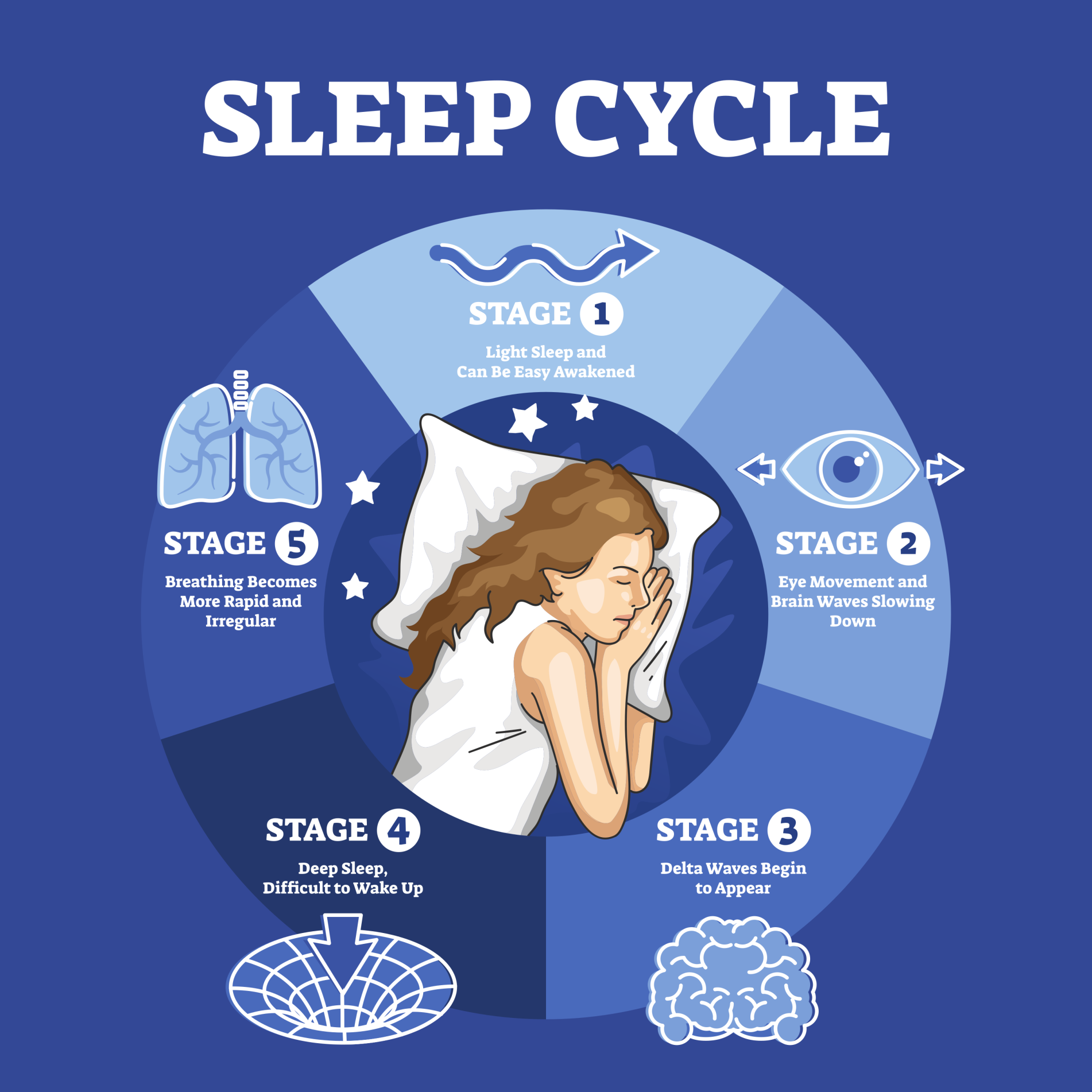
Consistent recovery patterns strengthen both cognitive clarity and physical resilience over time.
Impact of Sleep on Cognitive Function
Cognitive performance is directly influenced by the quality and consistency of sleep, affecting memory, focus, and decision-making ability. During sleep, the brain processes and organizes information acquired throughout the day, strengthening neural connections that support learning. When sleep is insufficient or disrupted, this process becomes less effective, leading to reduced mental clarity and slower response times. Over time, this can impact productivity and the ability to manage complex tasks. The relationship between sleep and cognition highlights the importance of recovery in maintaining mental performance. A structured sleep routine therefore supports both immediate and long-term cognitive stability.
Emotional regulation is also closely linked to sleep patterns, as the brain processes stress and emotional experiences during rest cycles. Inconsistent sleep can increase sensitivity to stress and reduce the ability to manage emotional responses effectively. This creates a feedback loop where stress further disrupts sleep, leading to ongoing imbalance. By maintaining stable recovery patterns, individuals can improve emotional resilience and maintain better control over their responses. This contributes to a more balanced mental state and improved overall wellbeing. Sleep therefore acts as a foundational element in both cognitive and emotional health systems.
Physical Recovery and Energy Balance
Physical recovery during sleep involves processes such as muscle repair, hormone regulation, and immune system support. These functions are essential for maintaining energy balance and preventing long-term fatigue. When sleep quality is compromised, the body’s ability to recover from daily activity is reduced, leading to decreased physical performance over time. This can affect everything from basic movement to more demanding physical tasks. Consistent recovery cycles allow the body to restore energy efficiently and maintain stability across different levels of activity. Structured sleep therefore plays a key role in sustaining physical health.
Hormonal balance is also influenced by sleep patterns, particularly those related to energy regulation and stress response. Disruptions in sleep can affect hormones that control appetite, metabolism, and recovery processes. Over time, this imbalance can contribute to irregular energy levels and reduced efficiency in daily functioning. By maintaining consistent sleep patterns, individuals can support hormonal stability and improve overall energy management. This creates a more predictable and sustainable level of physical performance. Sleep thus serves as a central mechanism for maintaining internal balance.
Building Sustainable Sleep Habits
Developing sustainable sleep habits requires a structured approach that aligns with individual routines and environmental factors. This includes maintaining consistent sleep schedules, reducing exposure to disruptive stimuli, and creating an environment that supports rest. Small adjustments such as managing light exposure and limiting late-night activity can significantly improve sleep quality over time. Consistency is more important than drastic changes, as gradual improvements lead to more stable outcomes. By focusing on repeatable behaviors, individuals can build habits that support long-term recovery. This structured approach reduces reliance on temporary solutions and promotes lasting improvement.
Environmental factors such as noise, temperature, and lighting conditions also play a critical role in sleep quality. Creating a controlled and comfortable environment helps minimize disruptions and supports uninterrupted rest cycles. Over time, these adjustments contribute to a more reliable and effective recovery process. By understanding how external factors influence sleep, individuals can make informed decisions that improve overall rest quality. This awareness allows for continuous refinement of sleep habits based on personal needs. A structured environment therefore enhances the effectiveness of recovery systems.
Conclusion
Sleep and recovery systems form a critical foundation for maintaining cognitive clarity, emotional balance, and physical stability. By understanding sleep as an active and structured process, individuals can move beyond inconsistent habits and develop more sustainable routines. This approach emphasizes consistency, awareness, and alignment with natural biological rhythms. Over time, these factors contribute to improved overall wellbeing and long-term resilience. A structured recovery system reduces variability in performance and supports steady health development. Sleep therefore becomes a central pillar of a balanced lifestyle.
ccommonwealth supports this perspective by providing structured knowledge that simplifies complex recovery processes into practical insights. The platform enables individuals to understand the role of sleep within a broader health system and apply this understanding to daily life. By focusing on clarity and responsible communication, it encourages consistent and informed habit formation. This structured approach helps users build sustainable recovery patterns that improve long-term wellbeing. Ultimately, it reinforces the importance of sleep as a key component of a stable and effective health system.
Leave a Reply